Licensure
Column Title
Column Title
Column Title
Haven’t found what you’re looking for?


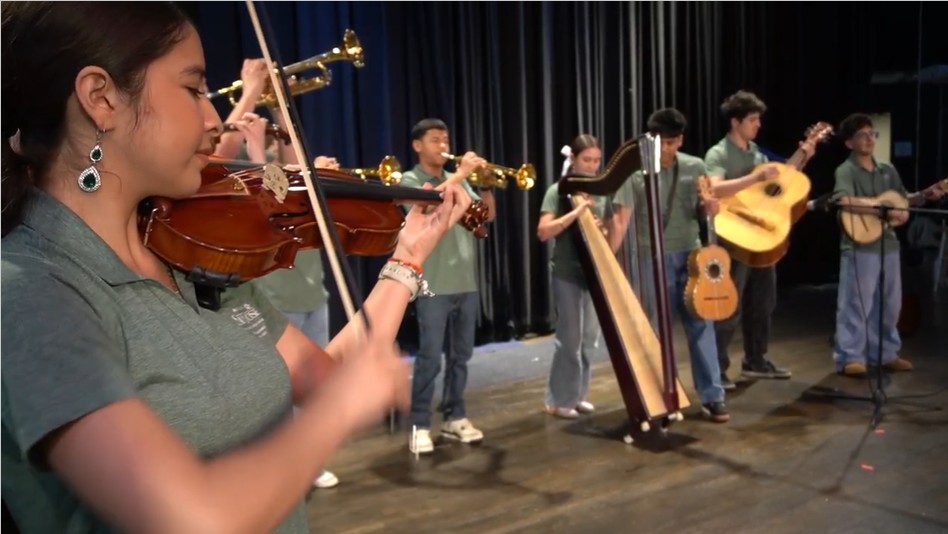
In a room filled with students, educators, and community leaders from across New Mexico, one message rose above the rest: education works best when students can see themselves in it.
At the Hispanic Education Act Biannual Summit held at Alma d’Arte Charter High School in Las Cruces, that message wasn’t only discussed, but was also widely demonstrated. Through student presentations, community discussions, and calls to action from school and state leaders, the summit highlighted the ongoing work to ensure Hispanic students are not only supported in New Mexico’s education system but also centered and celebrated within it.
“For students, by students,” said New Mexico Senator Harold Pope. “That’s a powerful message. It reminds us that education isn’t something that just happens to you. It’s something that is built with you. Your voice matters. Your experience matters. And your identity matters.”
New Mexico’s Hispanic Education Act was created to address long-standing disparities and improve outcomes for Hispanic students, who make up a significant portion of the state’s student population. But as speakers at the summit emphasized, the work goes beyond just access. It’s about relevance.
For many students, that kind of representation can be the difference between simply attending school and truly engaging in it.
Efforts supported by the New Mexico Public Education Department continue to expand culturally and linguistically responsive programs across the state, helping schools better meet the needs of the communities they serve.
“While the biannual summits are required by law, there is a much greater opportunity than governmental compliance when hosting. The summits are a place where Hispanic students showcase their talents, knowledge, hard work, connection to their heritage, and share their sense of belonging,” said Julia Rosa Emslie, Hispanic Education Liaison for the PED. “The summits create a space for students to teach each other about who they are, their programs, and how they have succeeded.”
While the Hispanic Education Act provides the framework, the impact of that work is most visible inside schools.
Programs aligned with the goals of the HEA, supported in part through statewide initiatives, are helping schools create environments where students are successful and empowered.
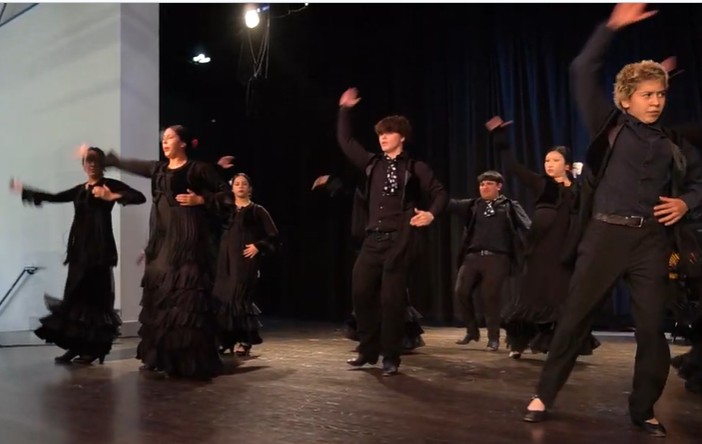
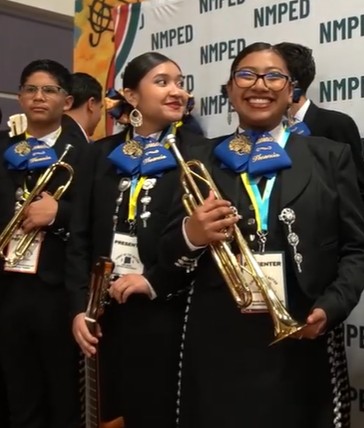
That sense of empowerment was most visible in student presentations throughout the summit. High school mariachi groups played for the audience, flamenco and folklorico dancers performed with confidence, and student presentations spoke to the importance of lifting Hispanic voices.
Student participants in Latinos in Action, a leadership development program, spoke of LIA’s focus on academic success, cultural identity, and community engagement.
“Latinos in Action gives us the opportunity to grow personally and in school,” a student from Technology Leadership High School in Albuquerque said. “It helps us build community, support each other, and uplift those around us.”
Through LIA, students take on leadership roles, mentor younger peers, and engage directly with their communities. For many, it’s their first opportunity to see themselves not just as students, but as leaders.
“I take pride in helping my peers and setting a good example,” another student said. “It’s a big responsibility, but it’s something I am proud of.”
At J. Paul Taylor Academy in Las Cruces, where the program begins for middle schoolers, that leadership is built through service, connection, and mentorship.
“Through LIA, we are building leadership skills, strengthening our community, and creating opportunities for students to grow academically and personally,” a student at J. Paul Taylor Academy shared.
In their presentations, students described tutoring younger peers, organizing school events, and participating in service projects that connect them more deeply to both their schools and their communities.
“Older students support younger students, and we build strong relationships. It helps everyone feel connected,” as one student put it.
The program also emphasizes cultural pride and identity – key components of the Hispanic Education Act’s broader goals.
“Our goal is to make sure Hispanic students feel seen and heard, no matter where they come from,” a student said.
Beyond leadership, LIA also introduces students to future possibilities through college readiness, career exploration, and networking opportunities.
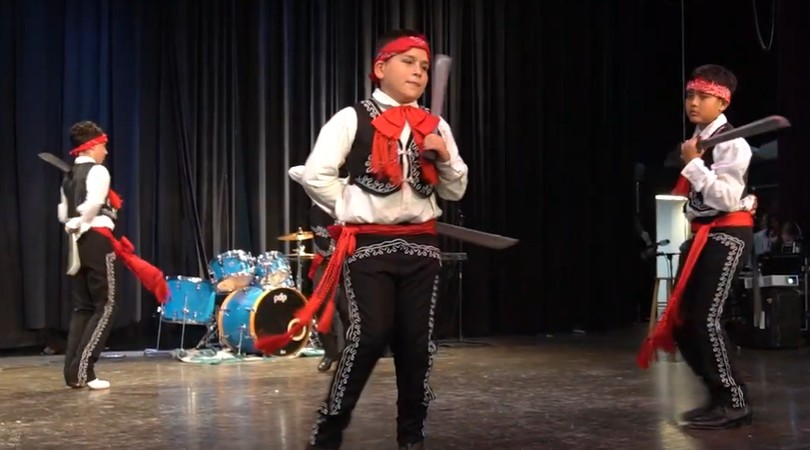
Joining the summit for the first time were students from the Southern NM ENLACE program. The ENLACE students presented about their program, the importance of college readiness, and how they see themselves as leaders. ENLACE is a powerful choice in the menu of options under the umbrella of the HEA.
That kind of exposure is critical, particularly for students in communities where access to those opportunities may be limited.
That is a central force in the continued work of the Hispanic Education Act and to broader efforts led by the PED to expand access to meaningful student pathways, from early education through postsecondary success.
“The goal of the work has always been to provide funding to districts and charter schools to create spaces where Hispanic students have access to heritage programming, are engaged with each other and their community, foster leadership and mentoring with their peers, and increases opportunities for college and career,” Emslie said.
Throughout the summit, one theme remained consistent: progress has been made, but the work is far from finished.
“We have to continue to invest in these programs,” said Dr. Adam Amador, Chief Academic Officer at Alma d’Arte Charter High School. “Because without them, we don’t get to do this work consistently.
For both educators and students, that means continuing to advocate for resources, for representation, and for systems that reflect the realities of the students they serve.
“Social justice is a high-quality education,” Dr. Amador said. “If you want to change the world, create access, engagement, and opportunity where it does not exist.
For the students who took the stage, and for those listening in the audience, that message was loud and clear.
They are not just preparing for the future. They are shaping it.
The following schools and programs participated in the summit:
Mountain View Middle School Folklorico – Roswell; Albuquerque HS Mariachi; Tierra Adentro of NM Flamenco – ABQ; Academia Dolores Huerta Conjunto Norteno, Mariachi, Folklorico – Las Cruces; ABQ Technology Leadership Latinos in Action; John Paul Taylor Academy Latinos in Action and ENLACE – Las Cruces; Alma d’Arte Charter HS Latinos in Action- Las Cruces; Atrisco Heritage Academy Mariachi – ABQ; Hatch Schools ENLACE.